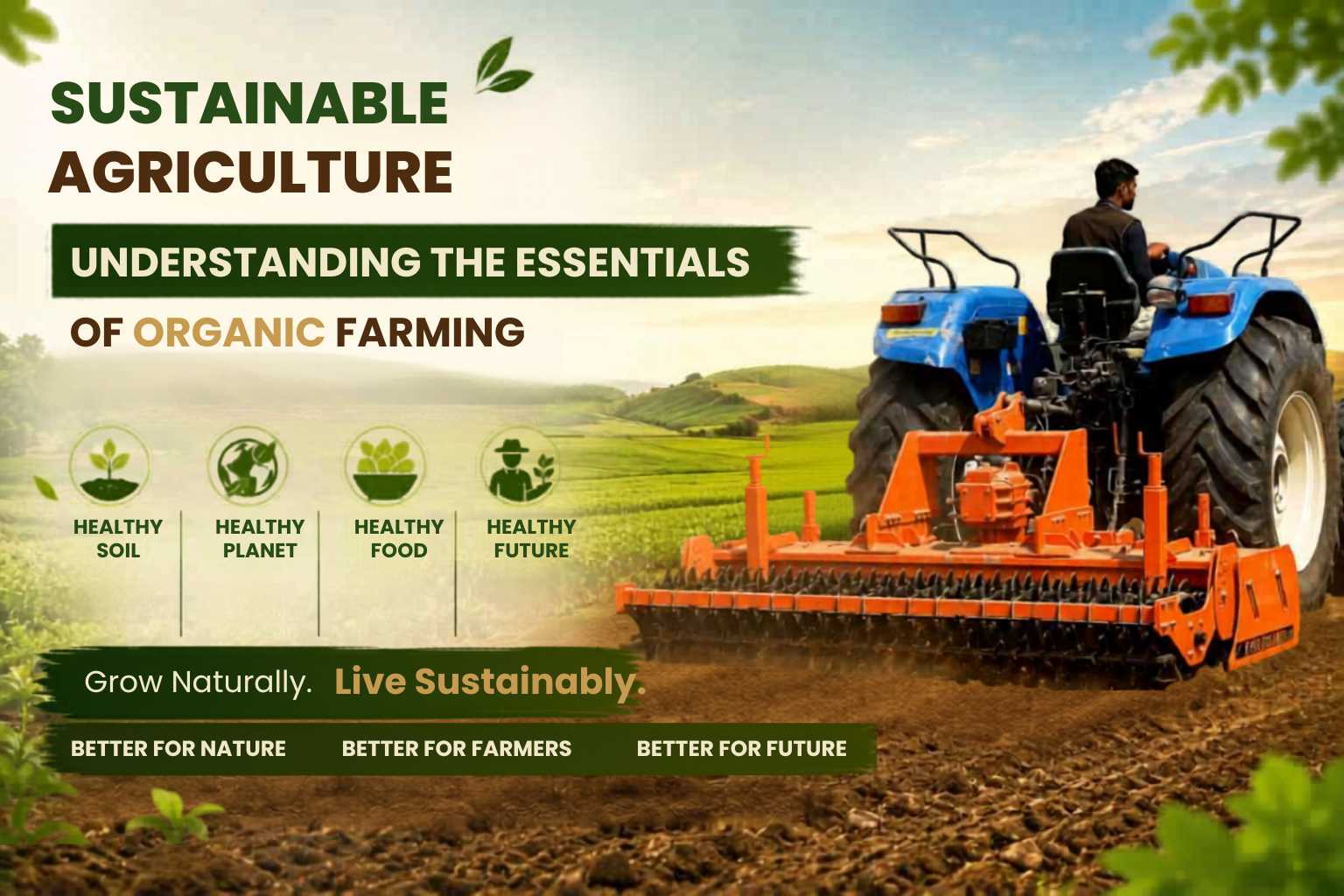
As ecosystems waver and the climate crisis intensifies, farming in India is turning towards an old yet regenerative leaf that centers on restoring the land’s rhythm. A holistic approach towards a greener future, organic farming is an agricultural system that promotes ecological health and biodiversity through the means of ethical processes, natural materials and sustainable methods. The transition towards conscious living and green revolution is neither immediate nor easy, but it is a critical element that boosts long-term fertility of the soil, enhances biodiversity and reduces carbon footprint.
Conventional farming methods rely heavily on pesticides, fertilizers and other synthetic chemicals that trigger soil degradation, disrupt microbial activity within the soil, release greenhouse gases and potentially impact the nutrient content of the crops. While using genetically modified organisms (GMOs) causes an increase in weeds/pests’ population, employing practices like deep tillage and monoculture destroys soil structure and reduces biodiversity. These chemical-dependent, commercial farming practices prioritize output and profit, producing high-volumes of food but at the price of the environment; dominating and bending the ecosystem according to human will rather than nurturing and adapting to the ways of the earth creating a vicious cycle of long-term ecological consequences.
Unlike industrial agricultural practices, science backed and knowledge-intensive organic farming methods, work in harmony with nature and treat the land as a living organism. As an alternative to synthetic fertilizers, pesticides and GMOs that damage farm and crop quality, utilization of natural inputs such as biopesticides, organic waste, green manuring, crop rotation and intercropping is promoted, which incentivizes the organic farmers to return to wiser ways of nurturing nature’s intelligence.
Types of Organic Farming
Based on the soil health, market demand, resources available, climate and crop compatibility you can opt for organic agricultural practices through the route of:
Pure Organic Farming
Exclusively limited to using organic inputs and natural methods throughout the farming process, pure organic farming produces food that is naturally grown, devoid of chemical residues and toxic compounds. Farmers utilize organic matter such as green manure and compost to maintain soil fertility and structure besides swapping synthetic fertilizers with botanical pesticides such as chilli extracts, organic fertilizers and beneficial insects such as a ladybug for disease control. Additionally, while weed management is done through manual weeding or mulching, biodiversity is preserved through practices such as intercropping. Pure organic farming is a pasture-based approach that focuses on organic livestock care, where animals are raised in a clean environment and offered nutritious organic feed, to eventually produce superior grade dairy products. This production system heals the earth by eliminating toxic residues, producing nutrient dense crops and improving the soil health for a sustainable future.
Integrated Organic Farming
Just as the name suggests, integrated organic farming takes a cohesive approach that combines crop production with interconnected enterprises and farming methods such as aquaculture, agroforestry and livestock rearing. The resulting zero-waste system entails diverse cropping system such as crop rotation, intercropping to improve soil nitrogen in combination with biological pest control methods such as the use of beneficial insects that reduce the dependency on off-farm inputs such as synthetic pesticides. This integrated system is not only diversified but also follows resource recycling; for example, animals such as sheep feed on crop residues in return for providing natural manure for crop growth. This green farming system harmoniously results in resource efficiency, improved food diversity, environmental stability, reduced cost and economic abundance with farmers securing income streams through multiple sources such as dairy, fisheries, poultry etc.
Methods of Organic Farming
Organic farming cultivates crops, just the way nature intended; farmers employ regenerative agricultural methods and practices that work not against but with the environment. Let’s get an insight into some of the key practices of organic farming:
1. Crop Rotation
The fruitful practice of crop rotation entails growing and planting different types of crops in the same field at different times. The key is to avoid growing crops from the same family at the same spot because greater the crop diversity, the better the overall soil health. This practice not only breaks pest and weed cycles but also improves soil structure and fertility.
2. Green Manure
A key component of organic farming is green manure – these are specialized, fast-growing crops, such as varieties of legumes that are ploughed back into the earth while they are still green, without being used even partially. This practice not only fixes atmospheric nitrogen of the soil, it also suppresses weed growth, provides residue for microbial activity and improves soil health for a flourishing successive cultivation.
3. Pest Management
Harmful organisms including pests and pathogens pose a constant threat to agricultural yields and the drive towards a sustainable tomorrow. A strategic approach towards pest control involves utilizing beneficial insects such as hoverflies and ladybugs along with neem or garlic-based botanical sprays. Combined with crop rotation and intercropping methods, these practices not only promote a balanced ecosystem but also a healthier environment.
4. Compost
An eco-conscious farming technique, the recycling of organic farm waste into nutrient-rich compost significantly improves soil health. Whether applied to the soil surface or integrated directly into the fields, composting provides better water retention, increases nutrient content and supports the presence of beneficial microorganisms within the soil.
5. Weed Management
Targeted weed suppression is essential for optimizing crop yield and ensuring farm productivity. Effective practices include planting cover crops such as rye that compete with weeds for essential nutrients, implementing crop rotation, covering the soil with organic materials such as leaves or plastic silage tarps to block sunlight and prevent weed growth.
6. Soil Management
Soil is a living and breathing entity that forms the heart of crop cultivation, making it extremely essential to protect its fertility, physical structure and biodiversity. Holistic organic practices contribute to this very goal of nourishing the soil. Organic farming methods such as the use of compost, green manures, reduced tillage, crop diversity (planting diverse crops simultaneously) and vermiculture (using worms as natural fertilizer) actively restore soil vitality and heal the earth.
Fieldking’s Contribution: How Modern Technology is Powering Organic Farming
Speaking the language of the soil, Fieldking revolutionizes organic cultivation by offering sustainable machinery solutions that achieve eco-friendly efficiency and regenerative crop production. Here’s how our machines act as game changers for ecological farming:
1. Environmental Sustainability
Fieldking’s versatile, robust and enduring machines such as multi-crop row planters ensure smooth operation of practices like crop rotation, which enhances soil health and fertility. Additionally, implements like the rotary mulcher convert crop residues into nutrient-rich organic matter. By reducing the need for synthetic pesticides/fertilizers, the mulcher helps to curb emission of greenhouse gases and chemical runoff in water sources directly fostering biodiversity conservation and a healthier ecosystem.
2. Economic Benefits
Engineered for longevity, Fieldking’s machines, including our zero till solutions, are investments that pay for themselves over time. By empowering farmers to produce high-quality, chemical-free organic produce, our equipment makes premium global markets accessible, transforming organic farming into a highly profitable endeavor.
3. Biodiversity Promotion
Fieldking’s user-friendly and easy to maintain tools make organic farming simple and successful. Our cultivators, comb harrows, manure spreaders and sprayers are designed to foster biological harmony between agriculture and nature, wherein beneficial organisms can survive and thrive in the soil.
4. Soil Health
Delivering consistent and superior results, our rotary mulcher converts farm waste into organic mulch that improves soil fertility, controls weed growth and prevents environmental pollution.
At our core, Fieldking, meticulously interconnects pioneering agricultural engineering with the principles of social responsibility and sustainability. True workhorses that are built for tough conditions, our agricultural implements carry out environmentally sound practices, responsibly and profitably.
Step towards social, economic and environmental sustainability with Fieldking’s precise, powerful and productive machinery today!